Founding a biomedical startup, empowered by Modeus
How two founders brought a biomedical idea into focus with Modeus, connecting their research, product plans, and first working prototype.
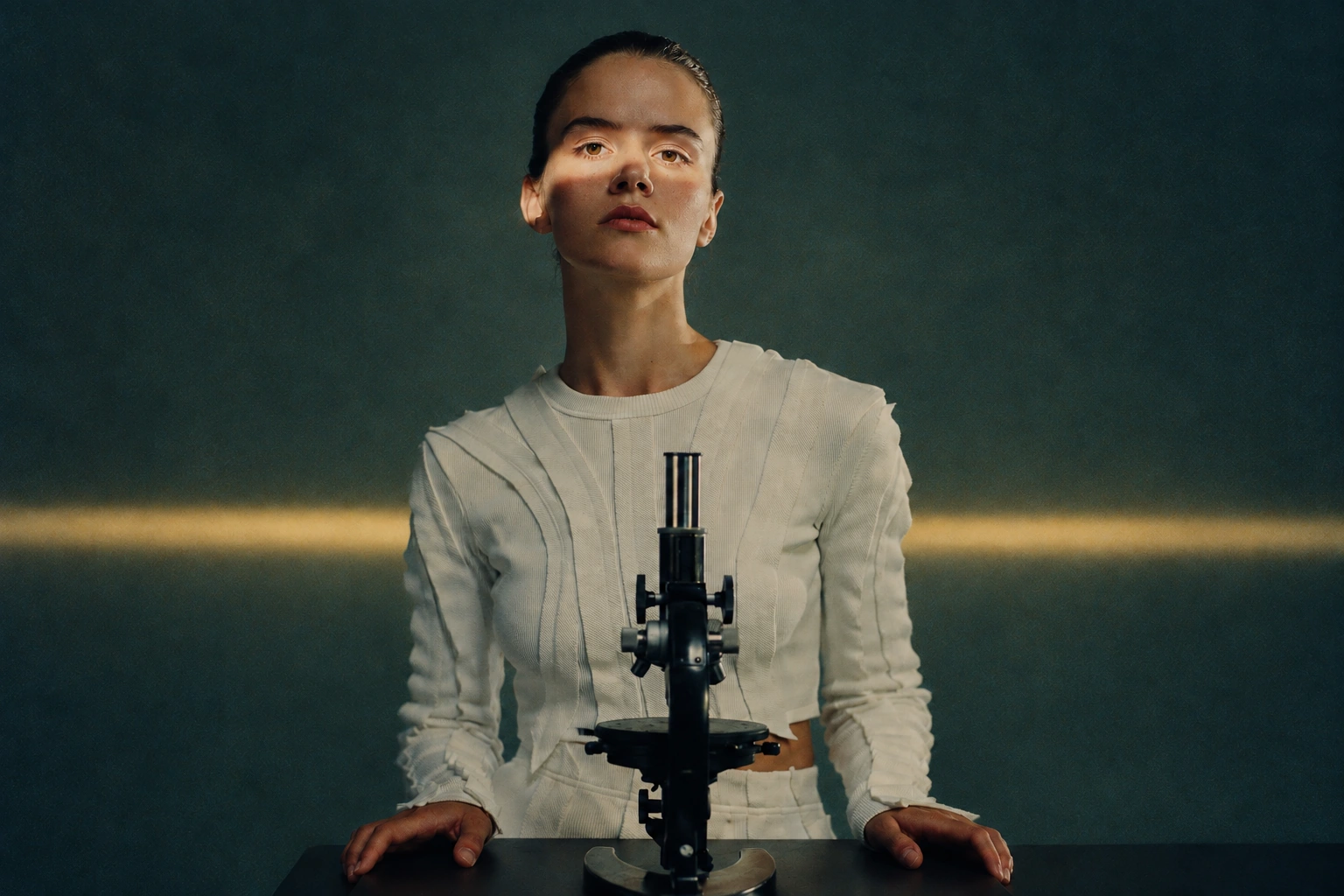
A scientific idea was the beginning. Building a company around it meant turning curiosity into work they could share, test, and move forward.
A question worth building around
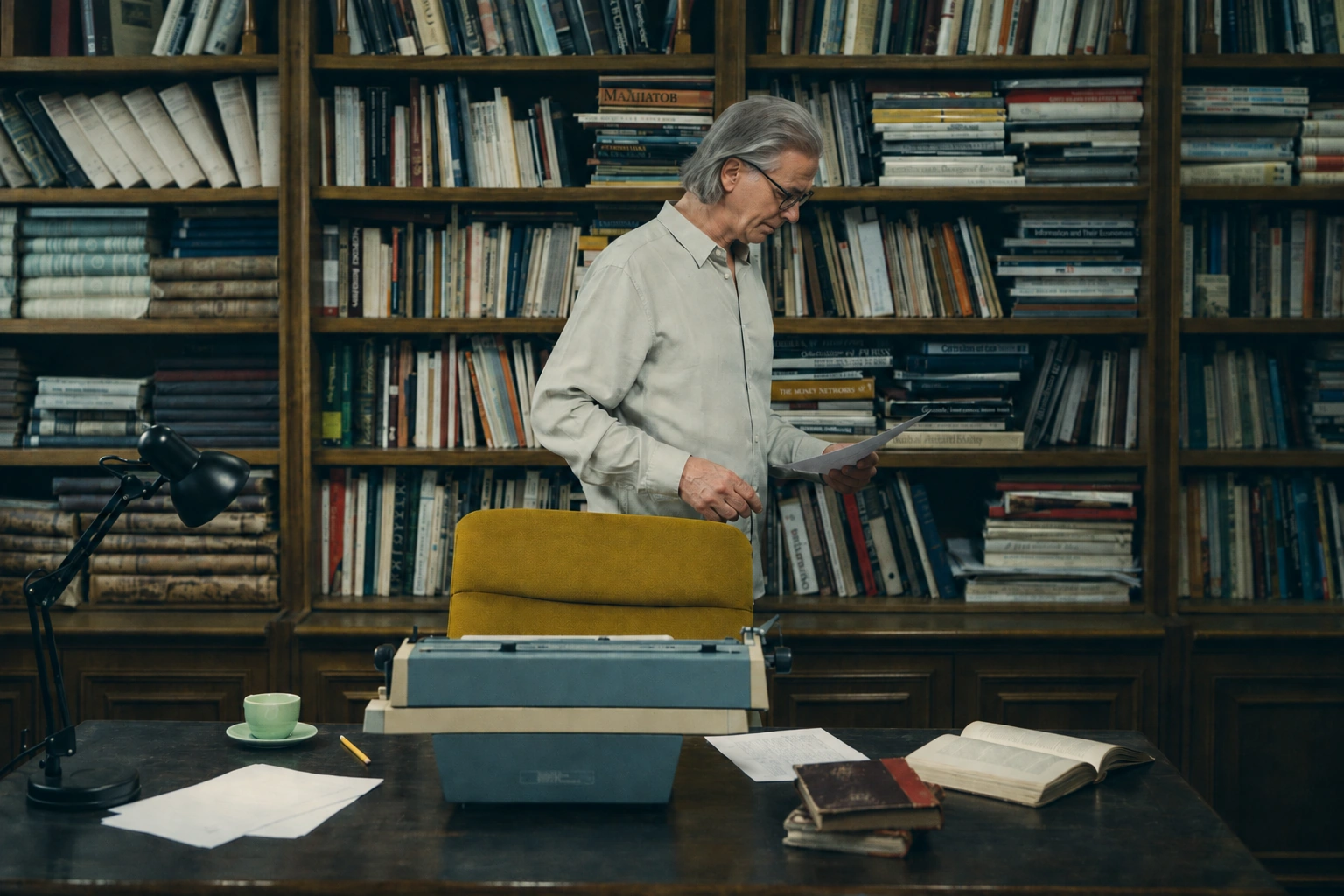
Dr. Leila Haddad and software engineer Theo Park kept returning to the same conversation: how could a small biomedical team make better use of a growing body of research? Leila brought experience reading the science. Theo brought the instinct to make something people could use. Together, they began sketching Aster.
Founding a company introduced a second set of questions. What should they build first? Which assumptions needed checking? How would they explain the idea to someone outside their fields? Their notes were full of possibilities. They needed a way to turn those possibilities into a focused first step.
Give the company a starting point
They brought their research notes and early plans into Modeus. It helped organize the literature, draft a company brief, and turn broad ideas into questions they could investigate. Leila checked every scientific claim against the original papers. Theo used those discussions to define a manageable first project: an internal evidence-review workspace.
The founders mapped the work from research to interface sketches and implementation tasks. They chose a paper library, a comparison view, and space for open questions. Study design, findings, and limitations would remain visible. The scope was deliberately narrow: published research and a working prototype, with no patient data or clinical recommendations.
Build something they could question
With Modeus helping draft and refine the code, Theo connected the first screens. Leila tried the workflow with selected papers and compared the summaries with their sources. Missing details, conflicting findings, and unfamiliar terminology quickly became useful feedback. Each revision gave them a clearer picture of what the tool needed to do.
That work also sharpened how they described Aster. Modeus helped turn their notes into a concise project overview and an early presentation. The founders revised the language together, separating what the prototype could already demonstrate from what remained an ambition. A clear explanation became another way to test the idea.
An early company, a clearer next step
Aster now had a first prototype, a shared research record, and a plan for what to examine next. The founders could open a summary, follow it back to a source, and revisit the reasoning behind a product choice. The work of building their company had become tangible enough to discuss and improve.
There was still plenty to learn. Leila and Theo remained responsible for the science, the product decisions, and Aster’s direction. Modeus helped them carry the daily work across research, planning, building, and communication. Their ambition had somewhere to grow, one checked source, revised screen, and clearer decision at a time.
A scientific idea became the foundation for an early company, with a research prototype and a practical plan for the next step.
Illustrative stories featuring fictional people and projects, inspired by the Modeus vision.
What would you make?
Bring your own question. Give it a place to begin.